
Video Intercoms

Complete Guide to Intercom Systems for Chicago Apartment Buildings

If you manage or own a multi-unit building in Chicago, the intercom system at your front door is one of the first things residents and visitors interact with every day. It controls who gets in and who stays out. And when that system stops working — or when it is so outdated that no one trusts it — the entire building’s security suffers.

Whether you are dealing with a broken buzzer system in a six-flat in Logan Square or planning a full intercom upgrade for a high-rise in the West Loop, this guide covers everything you need to know about choosing, installing, and maintaining an intercom system for your Chicago apartment building.

At The Professional Locksmith, we have been installing and repairing intercom systems across Chicago since 2012. As authorized dealers for Mircom and SwiftLane, we work with every type of system on the market — from basic audio intercoms to full video entry platforms with smartphone integration.

Types of Intercom Systems for Apartment Buildings

Not every building needs the same intercom setup. The right system depends on your building size, budget, wiring infrastructure, and what your residents actually need. Here is a breakdown of the five main intercom system types you will find in Chicago apartments today.

Audio-Only Intercoms

These are the most basic systems. A visitor presses a button at the front entrance, and the resident hears them through a speaker inside their unit. The resident can talk back and buzz them in. Audio-only systems are affordable and straightforward but offer no visual verification of who is at the door.

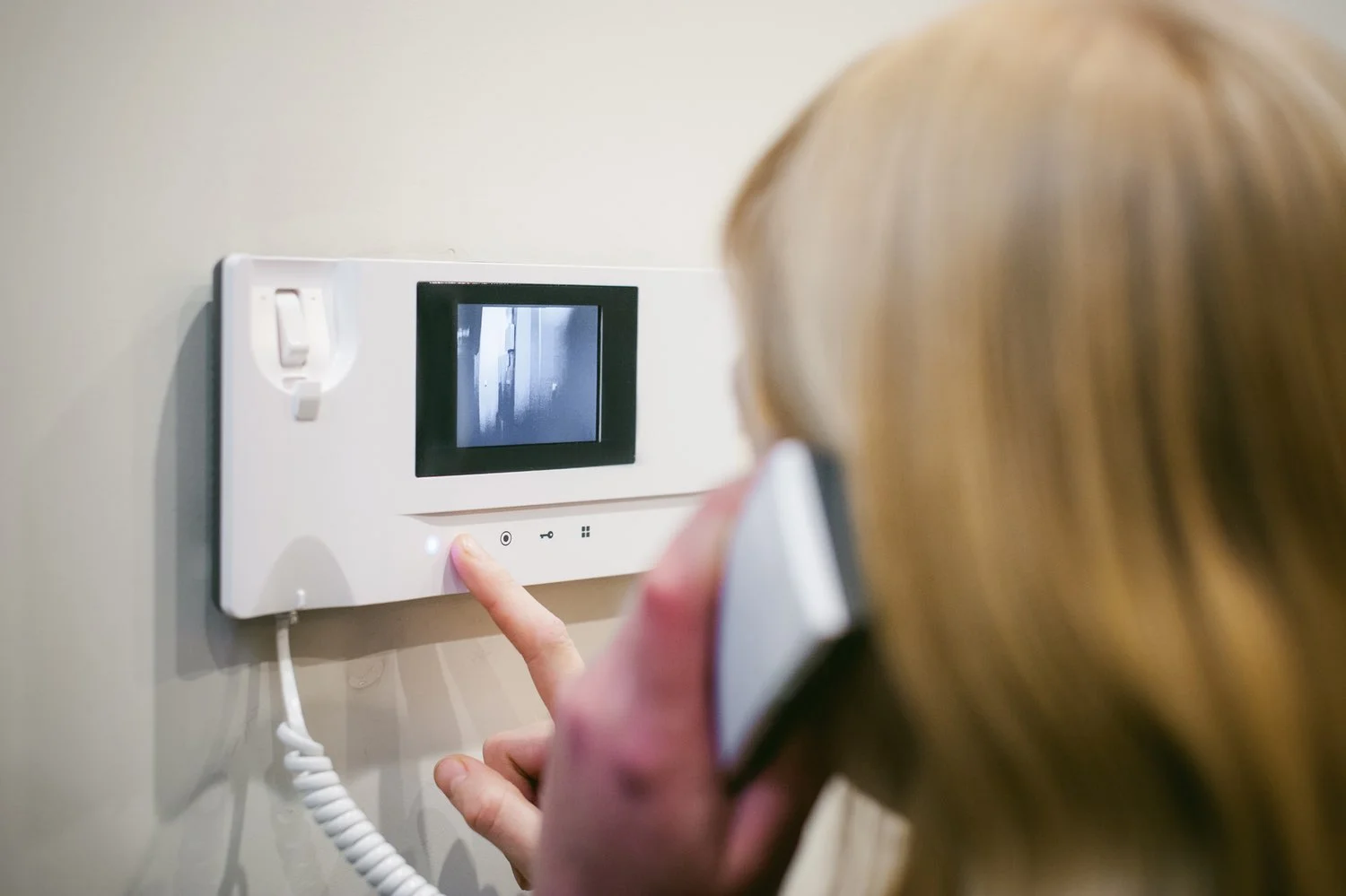
Video Intercoms

Video intercoms add a camera at the entry point so residents can see and hear their visitor before granting access. Modern video intercom systems in Chicago — like the SwiftLane platform we install — also support live video feeds to residents’ smartphones. This is a significant security upgrade over audio-only setups.

Telephone Entry Systems

Telephone entry intercoms connect to residents’ phone lines (landline or cellular). A visitor selects a name from a directory panel at the entrance, and the system dials the resident’s phone number. The resident answers and can press a key to unlock the door remotely. Mircom telephone entry systems are one of the most reliable options we install in Chicago apartment buildings.

Wireless Intercoms

Wireless systems communicate between the entry panel and indoor stations using Wi-Fi or radio frequency signals rather than hardwired connections. These are a practical option for older Chicago buildings where running new wiring through plaster walls and brick would be expensive or disruptive.

Smart Intercoms

Smart intercoms combine video, cloud connectivity, and mobile app integration into one platform. Residents manage access from their phones, receive video call notifications when someone is at the door, and can grant or deny entry from anywhere. Some smart systems also include keyless entry options like PIN codes, key fobs, or facial recognition.

Intercom System Types at a Glance

Feature

Audio-Only

Video

Telephone Entry

Wireless

Smart

Visual verification

No

Yes

No

Varies

Yes

Smartphone access

No

Some models

Yes (phone call)

Some models

Yes

Wiring required

Yes

Yes

Minimal

No

Varies

Best for building size

2-12 units

6-50+ units

10-200+ units

2-20 units

6-200+ units

Typical cost per unit

$50-$150

$150-$400

$100-$300

$100-$250

$200-$500+

Remote access

No

Some models

Yes

Some models

Yes

ADA-friendly options

Limited

Yes

Yes

Limited

Yes

How to Choose the Right Intercom System for Your Chicago Building

Selecting an intercom system is not just about picking the newest technology. You need to match the system to your building’s specific situation. Here are the key factors to evaluate.

Building Size and Unit Count

A three-flat in Avondale has very different needs than a 100-unit building in River North. Smaller buildings (under 12 units) can often work well with straightforward audio or video intercoms. Larger buildings typically benefit from telephone entry or smart intercom platforms that scale more efficiently and do not require indoor stations in every unit.

Existing Wiring and Infrastructure

Many Chicago apartment buildings were built in the early to mid-1900s, long before modern intercom wiring was standard. If your building already has intercom wiring in good condition, a hardwired upgrade is usually the most cost-effective route. If the wiring is deteriorated or nonexistent, wireless or telephone entry systems can save you thousands in installation costs.

Resident Demographics and Preferences

Consider who lives in your building. A building with mostly younger professionals may appreciate a smart intercom with app-based access. A building with older residents may prefer a simpler telephone entry system that does not require downloading an app or learning new technology.

Budget and Long-Term Costs

The upfront cost of the hardware is only part of the picture. Factor in installation labor, monthly service fees (common with cloud-based smart systems), and ongoing maintenance. A system that costs less upfront but requires frequent intercom repair is not a bargain.

Condo Association and HOA Requirements

If your building is a condo, the condo association board typically makes the final call on intercom system selection. Boards need to consider unit owner votes, reserve fund budgets, and whether the system complies with the building’s declaration and bylaws. Getting multiple bids and presenting them at a board meeting is the standard approach.

Key Intercom Features to Look for in 2026

Intercom technology has changed significantly in the last few years. If you are upgrading an outdated buzzer system, here are the features worth paying attention to in 2026.

  • Mobile app integration. Residents should be able to answer intercom calls, view live video, and grant access directly from their smartphones. This is now standard on most mid-range and premium systems.

  • Cloud-based management. Property managers can add or remove residents, update directories, and review access logs from any device. No need to be on-site to make changes.

  • HD video with night vision. A camera that only works in good lighting defeats the purpose. Look for 1080p resolution or higher with infrared night vision.

  • Two-way audio with noise cancellation. Chicago street noise is real. A system with noise-canceling microphones ensures clear communication between the visitor and resident.

  • Multi-entry support. Buildings with more than one entrance — front door, parking garage, side gate — need a system that manages all access points from a single platform.

  • Delivery and guest access codes. Temporary PIN codes for package carriers, dog walkers, or housekeepers make daily life easier for residents and reduce the number of times the front door gets propped open.

  • ADA compliance. The Americans with Disabilities Act accessibility standards require that intercom panels be mounted at accessible heights and provide audible and visual indicators. Buildings that fail to meet these requirements face potential complaints and liability.

  • Integration with security cameras. The best setups link your intercom to a broader security camera system so you have a complete view of building access.

Intercom Installation Process: What to Expect

If you have never been through an intercom installation or replacement, here is how the process typically works when you hire a licensed team.

1. Site Assessment

A technician visits your building to evaluate the existing system, inspect wiring, measure entry points, and document the number of units. This step determines which systems are compatible and identifies any building-specific challenges.

2. System Recommendation and Proposal

Based on the assessment, your locksmith team presents system options with pricing. At The Professional Locksmith, we provide detailed proposals that break down hardware costs, labor, any required wiring work, and ongoing service fees so there are no surprises.

3. Scheduling and Resident Communication

For occupied buildings, scheduling matters. Installation in a 50-unit building is not something you want to spring on residents with no notice. A clear communication plan — including expected timelines and any temporary access changes — keeps everyone informed.

4. Installation

Installation timelines depend on the system and building size:

  • Small buildings (2-12 units): Typically completed in one day.

  • Mid-size buildings (12-50 units): One to three days depending on wiring needs.

  • Large buildings (50+ units): Can take a week or more for full system deployment and testing.

Installation includes mounting the entry panel, running or connecting wiring, configuring the directory, programming resident access, and testing every unit.

5. Training and Handoff

A good installer does not just leave when the hardware is mounted. Your team should walk the building manager through system operation, show residents how to use their units or mobile apps, and provide documentation for future reference.

Intercom Maintenance and Common Repair Issues

Like any electronic system exposed to Chicago weather — including lakefront humidity, sub-zero winters, and summer heat — intercoms require regular maintenance to stay reliable.

Common Intercom Problems

  • Static or no audio. Often caused by corroded wiring, loose connections, or a failing speaker. Chicago’s freeze-thaw cycles can accelerate wiring deterioration in exterior-mounted panels.

  • Buzzer does not release the door. This is usually an issue with the electric strike or magnetic lock, not the intercom itself. A licensed locksmith can diagnose whether the problem is in the intercom, the lock hardware, or the wiring between them.

  • Unresponsive entry panel. Vandalism, water damage, and age are the most common culprits. Outdoor panels in high-traffic neighborhoods take a beating.

  • Directory display issues. Faded screens, burned-out backlights, and unreadable name cards are common in older systems. If the directory is hard to read, visitors will just start buzzing random units — which defeats the purpose of having an intercom.

  • Intermittent connectivity. Wireless and smart systems may experience dropout issues related to Wi-Fi signal strength, firmware bugs, or cloud service outages.

Preventive Maintenance Schedule

A basic annual maintenance plan should include:

  • Inspecting and tightening all wiring connections

  • Cleaning entry panel cameras and speakers

  • Testing the door release mechanism at every unit

  • Updating firmware on smart and cloud-based systems

  • Replacing worn weatherproofing seals on exterior panels

  • Verifying the resident directory is current and accurate

If your building’s intercom needs repair, our intercom repair team responds across Chicago — including emergency calls through our 24/7 service line.

Cost Ranges for Apartment Intercom Systems in Chicago

Intercom pricing varies widely based on system type, building size, and installation complexity. Here are realistic cost ranges for Chicago buildings in 2026.

  • Basic audio intercom (2-12 units): $1,500-$4,000 installed

  • Video intercom (6-50 units): $3,000-$15,000 installed

  • Telephone entry system (10-200+ units): $3,500-$20,000+ installed

  • Smart intercom with mobile access (6-200+ units): $5,000-$25,000+ installed

  • Wireless intercom (2-20 units): $1,000-$5,000 installed

These ranges include hardware and professional installation. Monthly cloud service fees for smart systems typically run $2-$10 per unit per month. Keep in mind that buildings requiring new wiring runs — especially older masonry construction common in neighborhoods like Pilsen, Bridgeport, and Ukrainian Village — will see higher installation costs.

For a specific estimate for your building, call us at (312) 796-0901 or request a site assessment online.

Upgrading from an Old Buzzer System to a Modern Intercom

Thousands of Chicago apartment buildings still rely on buzzer systems installed decades ago. If your building’s entry system is limited to a buzzer that unlocks the door with no way to verify who is actually outside, it is time to consider an upgrade.

Signs Your Building Needs an Intercom Upgrade

  • The current system has no video or phone integration

  • Residents cannot communicate with visitors before buzzing them in

  • The buzzer panel is physically damaged, corroded, or illegible

  • Building management cannot update the resident directory without a service call

  • The system does not comply with current Chicago building code requirements

  • Insurance carriers or condo association bylaws require upgraded access control

The Upgrade Path

For most Chicago apartment buildings, the most practical upgrade path looks like this:

  1. Assess your current infrastructure. Determine what wiring exists and whether it can be reused.

  2. Define your requirements. Talk to residents and building management about must-have features versus nice-to-haves.

  3. Get professional recommendations. Work with a licensed commercial locksmith who specializes in building security — not a general handyman or electrician.

  4. Compare systems and get multiple bids. Request proposals that include total cost of ownership, not just the hardware price.

  5. Plan the installation timeline. Coordinate with building management to minimize disruption to residents.

At The Professional Locksmith, we handle the full process from assessment through installation and ongoing support. As a family-owned company with two Chicago locations — in Avondale and the West Loop — we are local to the buildings we serve. Every technician on our team passes a full background check, and we carry all required licensing, bonding, and insurance.

Chicago-Specific Considerations for Building Intercoms

Installing or replacing an intercom system in Chicago comes with local factors that do not apply everywhere.

  • Building code compliance. The City of Chicago’s building code includes specific requirements for multi-unit building entry and egress systems. Your intercom and access control setup must meet fire safety, electrical, and accessibility standards. Work with a licensed installer who understands Chicago’s code requirements.

  • Historic building restrictions. If your building is in a Chicago landmark district, exterior modifications — including mounting a new intercom panel — may require review by the Commission on Chicago Landmarks. Neighborhoods like Old Town, Pullman, and parts of Lincoln Park have these designations.

  • Weather exposure. Chicago’s climate ranges from extreme cold to high humidity. Entry panels need NEMA-rated weatherproofing appropriate for outdoor installation in this environment.

  • Multi-unit building logistics. Coordinating installation across dozens of occupied units requires planning. Residents need advance notice, and installers may need access to individual units for indoor station work.

  • ADA requirements. The ADA Standards for Accessible Design apply to common-use areas in apartment buildings. Intercom panels must be operable with one hand, reachable from a wheelchair, and provide both visual and auditory cues. Non-compliant systems expose building owners to legal risk.