

Complete Guide to Intercom Systems for Chicago Apartment Buildings
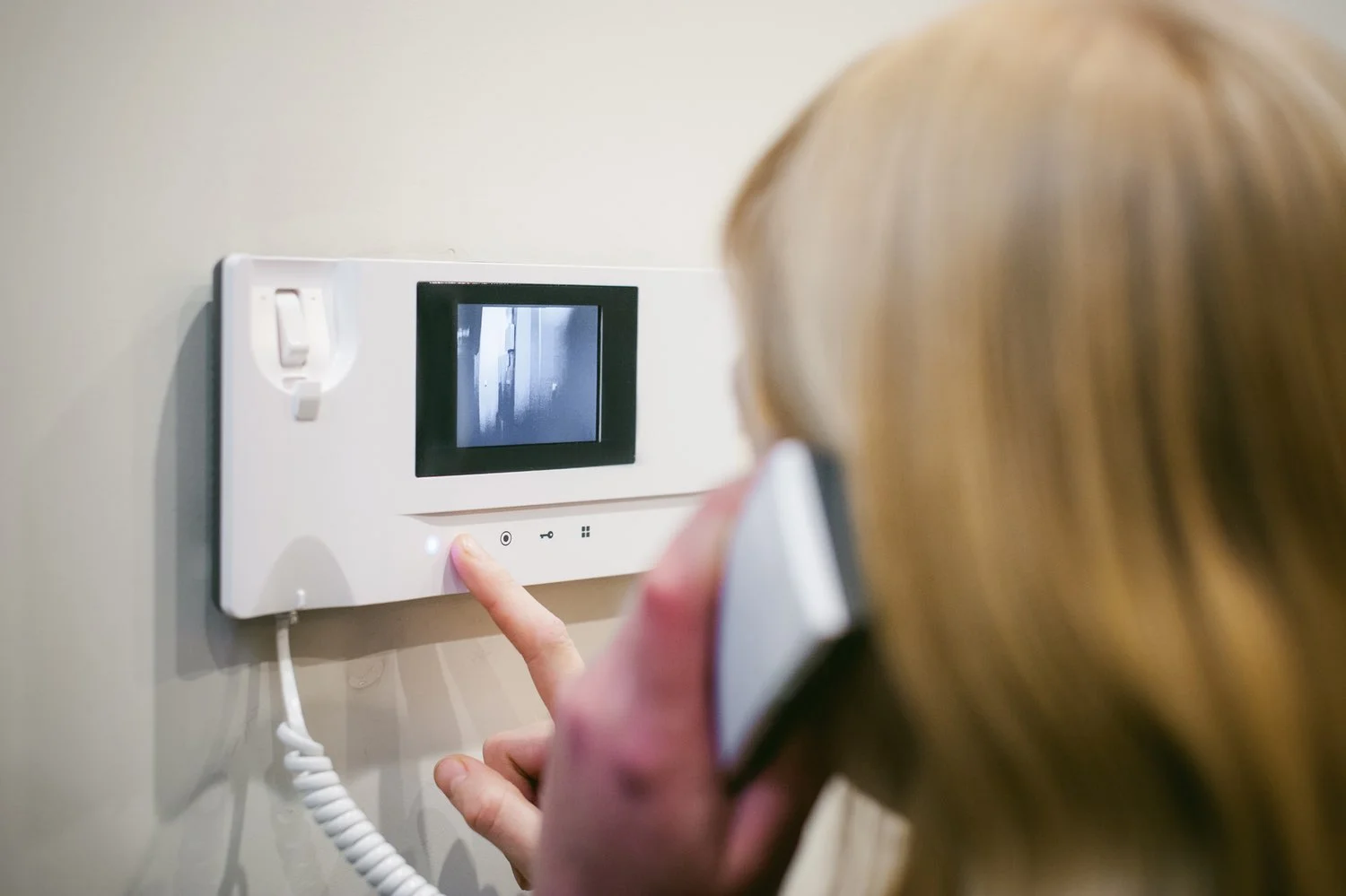
If you manage or own a multi-unit building in Chicago, the intercom system at your front door is one of the first things residents and visitors interact with every day. It controls who gets in and who stays out. And when that system stops working — or when it is so outdated that no one trusts it — the entire building’s security suffers.

Whether you are dealing with a broken buzzer system in a six-flat in Logan Square or planning a full intercom upgrade for a high-rise in the West Loop, this guide covers everything you need to know about choosing, installing, and maintaining an intercom system for your Chicago apartment building.

At The Professional Locksmith, we have been installing and repairing intercom systems across Chicago since 2012. As authorized dealers for Mircom and SwiftLane, we work with every type of system on the market — from basic audio intercoms to full video entry platforms with smartphone integration.

Types of Intercom Systems for Apartment Buildings

Not every building needs the same intercom setup. The right system depends on your building size, budget, wiring infrastructure, and what your residents actually need. Here is a breakdown of the five main intercom system types you will find in Chicago apartments today.

Audio-Only Intercoms

These are the most basic systems. A visitor presses a button at the front entrance, and the resident hears them through a speaker inside their unit. The resident can talk back and buzz them in. Audio-only systems are affordable and straightforward but offer no visual verification of who is at the door.

Video Intercoms

Video intercoms add a camera at the entry point so residents can see and hear their visitor before granting access. Modern video intercom systems in Chicago — like the SwiftLane platform we install — also support live video feeds to residents’ smartphones. This is a significant security upgrade over audio-only setups.

Telephone Entry Systems

Telephone entry intercoms connect to residents’ phone lines (landline or cellular). A visitor selects a name from a directory panel at the entrance, and the system dials the resident’s phone number. The resident answers and can press a key to unlock the door remotely. Mircom telephone entry systems are one of the most reliable options we install in Chicago apartment buildings.

Wireless Intercoms

Wireless systems communicate between the entry panel and indoor stations using Wi-Fi or radio frequency signals rather than hardwired connections. These are a practical option for older Chicago buildings where running new wiring through plaster walls and brick would be expensive or disruptive.

Smart Intercoms

Smart intercoms combine video, cloud connectivity, and mobile app integration into one platform. Residents manage access from their phones, receive video call notifications when someone is at the door, and can grant or deny entry from anywhere. Some smart systems also include keyless entry options like PIN codes, key fobs, or facial recognition.

Intercom System Types at a Glance

Feature

Audio-Only

Video

Telephone Entry

Wireless

Smart

Visual verification

No

Yes

No

Varies

Yes

Smartphone access

No

Some models

Yes (phone call)

Some models

Yes

Wiring required

Yes

Yes

Minimal

No

Varies

Best for building size

2-12 units

6-50+ units

10-200+ units

2-20 units

6-200+ units

Typical cost per unit

$50-$150

$150-$400

$100-$300

$100-$250

$200-$500+

Remote access

No

Some models

Yes

Some models

Yes

ADA-friendly options

Limited

Yes

Yes

Limited

Yes

How to Choose the Right Intercom System for Your Chicago Building

Selecting an intercom system is not just about picking the newest technology. You need to match the system to your building’s specific situation. Here are the key factors to evaluate.

Building Size and Unit Count

A three-flat in Avondale has very different needs than a 100-unit building in River North. Smaller buildings (under 12 units) can often work well with straightforward audio or video intercoms. Larger buildings typically benefit from telephone entry or smart intercom platforms that scale more efficiently and do not require indoor stations in every unit.

Existing Wiring and Infrastructure

Many Chicago apartment buildings were built in the early to mid-1900s, long before modern intercom wiring was standard. If your building already has intercom wiring in good condition, a hardwired upgrade is usually the most cost-effective route. If the wiring is deteriorated or nonexistent, wireless or telephone entry systems can save you thousands in installation costs.

Resident Demographics and Preferences

Consider who lives in your building. A building with mostly younger professionals may appreciate a smart intercom with app-based access. A building with older residents may prefer a simpler telephone entry system that does not require downloading an app or learning new technology.

Budget and Long-Term Costs

The upfront cost of the hardware is only part of the picture. Factor in installation labor, monthly service fees (common with cloud-based smart systems), and ongoing maintenance. A system that costs less upfront but requires frequent intercom repair is not a bargain.

Condo Association and HOA Requirements

If your building is a condo, the condo association board typically makes the final call on intercom system selection. Boards need to consider unit owner votes, reserve fund budgets, and whether the system complies with the building’s declaration and bylaws. Getting multiple bids and presenting them at a board meeting is the standard approach.

Key Intercom Features to Look for in 2026

Intercom technology has changed significantly in the last few years. If you are upgrading an outdated buzzer system, here are the features worth paying attention to in 2026.

  • Mobile app integration. Residents should be able to answer intercom calls, view live video, and grant access directly from their smartphones. This is now standard on most mid-range and premium systems.

  • Cloud-based management. Property managers can add or remove residents, update directories, and review access logs from any device. No need to be on-site to make changes.

  • HD video with night vision. A camera that only works in good lighting defeats the purpose. Look for 1080p resolution or higher with infrared night vision.

  • Two-way audio with noise cancellation. Chicago street noise is real. A system with noise-canceling microphones ensures clear communication between the visitor and resident.

  • Multi-entry support. Buildings with more than one entrance — front door, parking garage, side gate — need a system that manages all access points from a single platform.

  • Delivery and guest access codes. Temporary PIN codes for package carriers, dog walkers, or housekeepers make daily life easier for residents and reduce the number of times the front door gets propped open.

  • ADA compliance. The Americans with Disabilities Act accessibility standards require that intercom panels be mounted at accessible heights and provide audible and visual indicators. Buildings that fail to meet these requirements face potential complaints and liability.

  • Integration with security cameras. The best setups link your intercom to a broader security camera system so you have a complete view of building access.

Intercom Installation Process: What to Expect

If you have never been through an intercom installation or replacement, here is how the process typically works when you hire a licensed team.

1. Site Assessment

A technician visits your building to evaluate the existing system, inspect wiring, measure entry points, and document the number of units. This step determines which systems are compatible and identifies any building-specific challenges.

2. System Recommendation and Proposal

Based on the assessment, your locksmith team presents system options with pricing. At The Professional Locksmith, we provide detailed proposals that break down hardware costs, labor, any required wiring work, and ongoing service fees so there are no surprises.

3. Scheduling and Resident Communication

For occupied buildings, scheduling matters. Installation in a 50-unit building is not something you want to spring on residents with no notice. A clear communication plan — including expected timelines and any temporary access changes — keeps everyone informed.

4. Installation

Installation timelines depend on the system and building size:

  • Small buildings (2-12 units): Typically completed in one day.

  • Mid-size buildings (12-50 units): One to three days depending on wiring needs.

  • Large buildings (50+ units): Can take a week or more for full system deployment and testing.

Installation includes mounting the entry panel, running or connecting wiring, configuring the directory, programming resident access, and testing every unit.

5. Training and Handoff

A good installer does not just leave when the hardware is mounted. Your team should walk the building manager through system operation, show residents how to use their units or mobile apps, and provide documentation for future reference.

Intercom Maintenance and Common Repair Issues

Like any electronic system exposed to Chicago weather — including lakefront humidity, sub-zero winters, and summer heat — intercoms require regular maintenance to stay reliable.

Common Intercom Problems

  • Static or no audio. Often caused by corroded wiring, loose connections, or a failing speaker. Chicago’s freeze-thaw cycles can accelerate wiring deterioration in exterior-mounted panels.

  • Buzzer does not release the door. This is usually an issue with the electric strike or magnetic lock, not the intercom itself. A licensed locksmith can diagnose whether the problem is in the intercom, the lock hardware, or the wiring between them.

  • Unresponsive entry panel. Vandalism, water damage, and age are the most common culprits. Outdoor panels in high-traffic neighborhoods take a beating.

  • Directory display issues. Faded screens, burned-out backlights, and unreadable name cards are common in older systems. If the directory is hard to read, visitors will just start buzzing random units — which defeats the purpose of having an intercom.

  • Intermittent connectivity. Wireless and smart systems may experience dropout issues related to Wi-Fi signal strength, firmware bugs, or cloud service outages.

Preventive Maintenance Schedule

A basic annual maintenance plan should include:

  • Inspecting and tightening all wiring connections

  • Cleaning entry panel cameras and speakers

  • Testing the door release mechanism at every unit

  • Updating firmware on smart and cloud-based systems

  • Replacing worn weatherproofing seals on exterior panels

  • Verifying the resident directory is current and accurate

If your building’s intercom needs repair, our intercom repair team responds across Chicago — including emergency calls through our 24/7 service line.

Cost Ranges for Apartment Intercom Systems in Chicago

Intercom pricing varies widely based on system type, building size, and installation complexity. Here are realistic cost ranges for Chicago buildings in 2026.

  • Basic audio intercom (2-12 units): $1,500-$4,000 installed

  • Video intercom (6-50 units): $3,000-$15,000 installed

  • Telephone entry system (10-200+ units): $3,500-$20,000+ installed

  • Smart intercom with mobile access (6-200+ units): $5,000-$25,000+ installed

  • Wireless intercom (2-20 units): $1,000-$5,000 installed

These ranges include hardware and professional installation. Monthly cloud service fees for smart systems typically run $2-$10 per unit per month. Keep in mind that buildings requiring new wiring runs — especially older masonry construction common in neighborhoods like Pilsen, Bridgeport, and Ukrainian Village — will see higher installation costs.

For a specific estimate for your building, call us at (312) 796-0901 or request a site assessment online.

Upgrading from an Old Buzzer System to a Modern Intercom

Thousands of Chicago apartment buildings still rely on buzzer systems installed decades ago. If your building’s entry system is limited to a buzzer that unlocks the door with no way to verify who is actually outside, it is time to consider an upgrade.

Signs Your Building Needs an Intercom Upgrade

  • The current system has no video or phone integration

  • Residents cannot communicate with visitors before buzzing them in

  • The buzzer panel is physically damaged, corroded, or illegible

  • Building management cannot update the resident directory without a service call

  • The system does not comply with current Chicago building code requirements

  • Insurance carriers or condo association bylaws require upgraded access control

The Upgrade Path

For most Chicago apartment buildings, the most practical upgrade path looks like this:

  1. Assess your current infrastructure. Determine what wiring exists and whether it can be reused.

  2. Define your requirements. Talk to residents and building management about must-have features versus nice-to-haves.

  3. Get professional recommendations. Work with a licensed commercial locksmith who specializes in building security — not a general handyman or electrician.

  4. Compare systems and get multiple bids. Request proposals that include total cost of ownership, not just the hardware price.

  5. Plan the installation timeline. Coordinate with building management to minimize disruption to residents.

At The Professional Locksmith, we handle the full process from assessment through installation and ongoing support. As a family-owned company with two Chicago locations — in Avondale and the West Loop — we are local to the buildings we serve. Every technician on our team passes a full background check, and we carry all required licensing, bonding, and insurance.

Chicago-Specific Considerations for Building Intercoms

Installing or replacing an intercom system in Chicago comes with local factors that do not apply everywhere.

  • Building code compliance. The City of Chicago’s building code includes specific requirements for multi-unit building entry and egress systems. Your intercom and access control setup must meet fire safety, electrical, and accessibility standards. Work with a licensed installer who understands Chicago’s code requirements.

  • Historic building restrictions. If your building is in a Chicago landmark district, exterior modifications — including mounting a new intercom panel — may require review by the Commission on Chicago Landmarks. Neighborhoods like Old Town, Pullman, and parts of Lincoln Park have these designations.

  • Weather exposure. Chicago’s climate ranges from extreme cold to high humidity. Entry panels need NEMA-rated weatherproofing appropriate for outdoor installation in this environment.

  • Multi-unit building logistics. Coordinating installation across dozens of occupied units requires planning. Residents need advance notice, and installers may need access to individual units for indoor station work.

  • ADA requirements. The ADA Standards for Accessible Design apply to common-use areas in apartment buildings. Intercom panels must be operable with one hand, reachable from a wheelchair, and provide both visual and auditory cues. Non-compliant systems expose building owners to legal risk.

Locked Out of Your House in Chicago? Here’s Exactly What to Do

Locked Out of Your House in Chicago? Here’s Exactly What to Do

It is 11 p.m. on a Tuesday in January. The wind chill is negative fifteen. You just stepped outside your Lakeview apartment to take the trash out, and the door clicked shut behind you. Your keys, your phone, and your wallet are all sitting on the kitchen counter.

Winter Lock and Home Security Tips Every Chicago Homeowner Needs
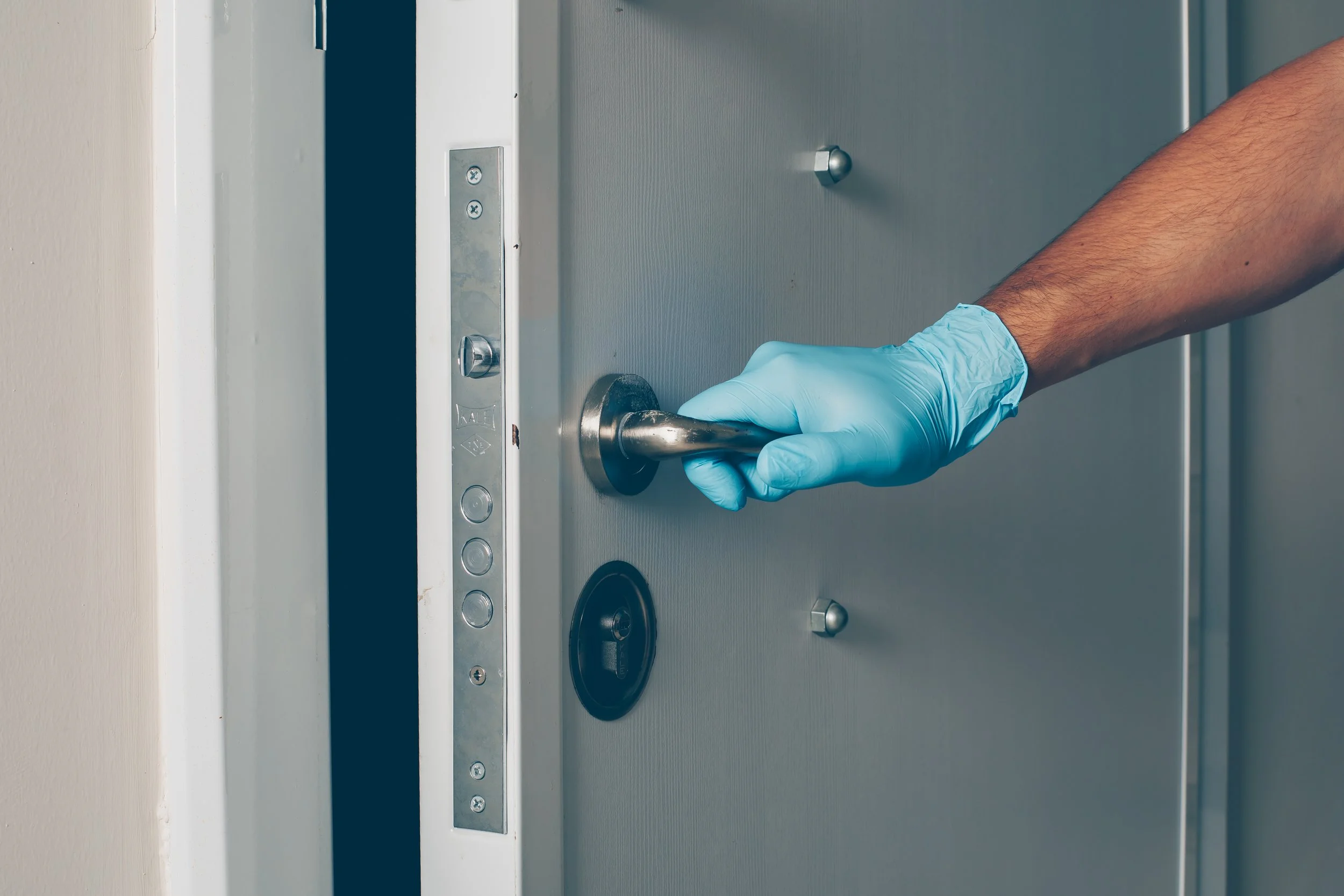
Winter Lock and Home Security Tips Every Chicago Homeowner Needs

Chicago winters hit differently. When temperatures drop well below zero and wind chills along the lakefront plunge to minus 30 or colder, your home’s locks and security systems face conditions that most hardware was never designed for.

What is a Master Key System and Does Your Chicago Apartment Building Need One?
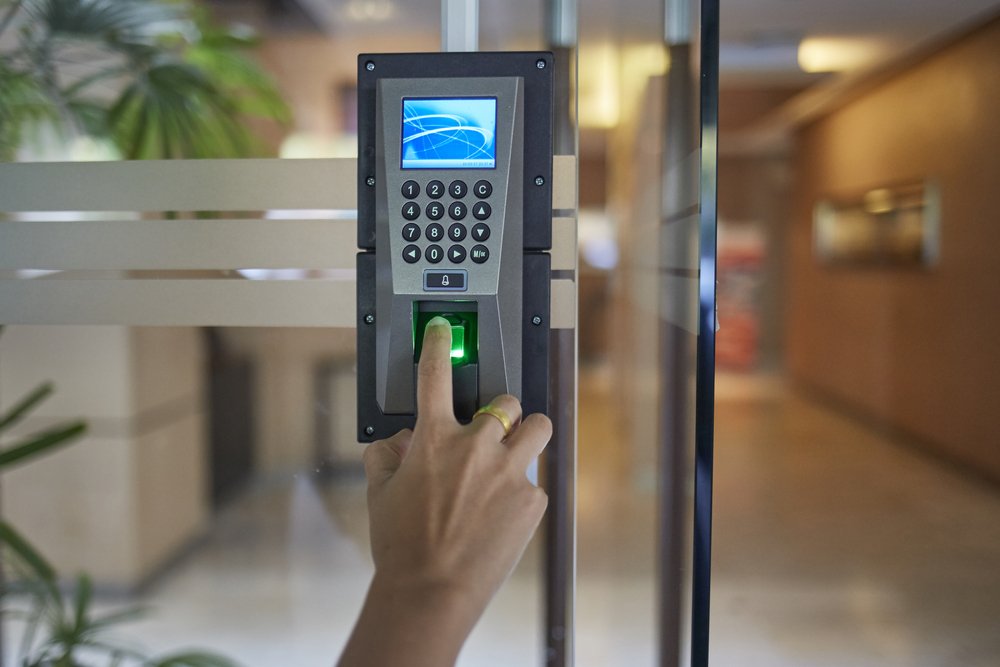
Sliding glass doors are a popular feature in many homes and businesses, providing easy access to outdoor spaces while allowing natural light to fill interior rooms. However, the security of these doors depends heavily on the condition of their locks. A malfunctioning or outdated sliding glass door lock can leave your property vulnerable to break-ins and compromise your safety.

Knowing when to replace your sliding glass door lock is essential to maintaining security and peace of mind. Here are four clear signs that your sliding glass door lock needs immediate replacement.

Difficulty Locking or Unlocking the Door

If you notice that your sliding glass door lock is hard to engage or disengage, it is a strong indication that the lock mechanism is wearing out. This could be due to internal parts becoming corroded, jammed, or misaligned over time.

Forcing the lock can cause further damage and may leave the door unsecured. A lock that does not operate smoothly compromises your safety and should be replaced promptly to ensure reliable security.

Visible Damage or Wear on the Lock

Physical damage such as cracks, rust, or broken components on the lock is a clear warning sign. Exposure to weather elements can cause metal parts to corrode or weaken, especially on older locks.

A damaged lock is easier to tamper with or break, making your sliding glass door an easy target for intruders. Inspect your lock regularly for signs of wear and replace it as soon as any damage is detected to maintain effective protection.

The Lock Does Not Secure the Door Properly

Sometimes, even if the lock appears intact, it may fail to secure the door tightly. If you notice that the door rattles, moves when locked, or can be lifted out of its track, the locking mechanism may no longer be functioning correctly.

This issue can arise from worn-out locks or misalignment between the door and the frame. A lock that does not hold the door firmly defeats its purpose and calls for immediate replacement to prevent unauthorized entry.

Outdated Lock Technology

Older sliding glass door locks may not provide the level of security needed to deter modern break-in techniques. Advances in lock design have led to stronger, more tamper-resistant options that significantly improve safety.

If your lock is outdated, upgrading to a newer, high-security model can enhance protection for your home or business. Investing in modern locks with features such as reinforced materials or key control systems can give you greater confidence in your property’s security.

Why Timely Replacement Matters

Delaying the replacement of a faulty sliding glass door lock increases the risk of burglary and property damage. Intruders often target sliding doors because they can be easier to bypass if the lock is weak or malfunctioning.

Replacing your lock promptly not only protects your valuables but also ensures the safety of your family, employees, and customers. It also helps maintain the value of your property by preventing security vulnerabilities.

How The Professional Locksmith Can Help

If you are experiencing any of these issues with your sliding glass door lock, it is time to consult a trusted locksmith. The Professional Locksmith offers expert evaluation, repair, and replacement services tailored to sliding glass doors.

Their licensed technicians in Chicago provide fast, reliable service using high-quality locks designed for maximum security. Whether you need an upgrade or emergency lock replacement, they can help you restore safety and peace of mind.

Sliding glass doors add beauty and convenience to any property, but their security depends on the condition of the locks. Difficulty operating the lock, visible damage, improper securing, and outdated technology are all signs that your sliding glass door lock needs immediate replacement.

Regular inspection and timely action can prevent potential break-ins and protect your home or business. If you notice any of these warning signs, contact a professional locksmith to ensure your sliding glass door remains a secure entry point.

Prioritizing lock maintenance and replacement is an investment in safety that every property owner should take seriously.


What is a Master Key System and Does Your Chicago Apartment Building Need One?

Security and convenience are top priorities for apartment building owners and managers, especially in a bustling city like Chicago. One effective way to enhance both is by implementing a master key system. But what exactly is a master key system, and how can it benefit your apartment building?

This article will explain the basics of master key systems and help you determine if your Chicago apartment building could benefit from this smart security solution.

Understanding the Master Key System

A master key system is a type of lock and key arrangement that allows different levels of access within a building. In this system, individual tenants have keys that only open their specific apartments, while building managers, maintenance staff, or security personnel have a master key that opens multiple or all doors within the building.

This hierarchical access control means that while residents maintain privacy and security, authorized personnel can enter units when necessary without carrying a large number of keys or disturbing tenants unnecessarily.

How Does a Master Key System Work?

Master key systems are designed using pin tumbler locks with different combinations of pins that correspond to specific keys. Each tenant’s key operates only their lock, while the master key is cut to operate all locks in the system.

Some buildings may also use sub-master keys that grant access to certain floors or sections, providing even more control over who can enter which areas. This flexibility makes master key systems ideal for multi-unit properties like apartment buildings.

Benefits of a Master Key System for Apartment Buildings

Improved Security

By limiting access to authorized keys, master key systems reduce the risk of unauthorized entry. Tenants do not need to worry about others having copies of their keys, and building staff can respond quickly in emergencies or maintenance situations.

Convenience for Management and Staff

Carrying a single master key instead of multiple keys simplifies daily operations for property managers and maintenance teams. It allows quick access to units for repairs, inspections, or emergencies, saving time and avoiding the hassle of tracking down individual keys.

Enhanced Tenant Satisfaction

Residents appreciate knowing their homes are secure and that building staff can respond efficiently when needed. A master key system helps maintain tenant trust and satisfaction by balancing privacy with necessary access.

Cost-Effective Security Solution

While installing a master key system requires an initial investment, it can save money in the long run by reducing the need for lock replacements or rekeying when keys are lost or stolen. It also minimizes the risk and cost associated with unauthorized access.

Is Your Chicago Apartment Building a Good Candidate?

Master key systems are especially beneficial for buildings with multiple units, frequent staff access needs, or complex layouts. If your building has more than a handful of apartments, employs maintenance or security personnel, or experiences regular tenant turnover, a master key system can streamline operations and enhance security.

Buildings without a master key system may face challenges such as lost keys, unauthorized copies, or delays in emergency access. Implementing a master key system can address these issues proactively.

Choosing the Right Locksmith Partner

Installing or upgrading a master key system requires expertise to ensure proper design, security, and functionality. Working with a professional locksmith company experienced in commercial and residential systems is essential.

The Professional Locksmith in Chicago offers comprehensive master key system services, from consultation and design to installation and maintenance. Their licensed technicians understand the unique needs of apartment buildings and provide personalized solutions that fit your property’s requirements.

A master key system is a practical and efficient way to improve security and convenience in Chicago apartment buildings. By providing controlled access to tenants and authorized personnel, it enhances safety, simplifies management, and supports tenant satisfaction.

If you manage or own an apartment building in Chicago, consider whether a master key system could benefit your property. Consulting with a trusted locksmith can help you make the right decision and implement a system tailored to your needs.

Investing in a master key system is a smart step toward better building security and smoother operations for everyone involved.


5 Steps to Do Before Calling a Locksmith If You’re Locked Out

5 Steps to Do Before Calling a Locksmith If You’re Locked Out

It happens to the best of us—you’re rushing out the door, juggling bags, or distracted by your phone, and suddenly you realize the keys are on the wrong side of the lock. Being locked out of your home, office, or car can be stressful, but before you panic and call a locksmith, there are a few things you can try first.

How to Keep Your Home Safe While Traveling
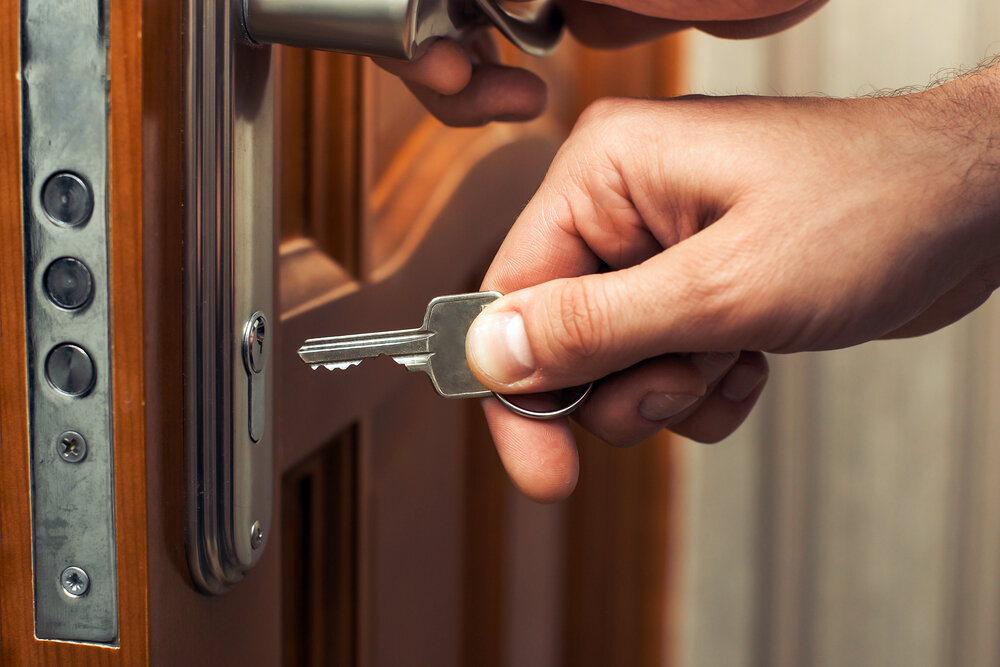
How to Keep Your Home Safe While Traveling

Heading out of town should be exciting, not stressful. Whether you’re leaving for a weekend getaway or an extended vacation, the last thing you want is to worry about the safety of your home while you’re gone. Unfortunately, empty houses can be tempting targets for burglars.

How to Get Key Duplication in Chicago Without the Original Key of the Apartment

How to Get Key Duplication in Chicago Without the Original Key of the Apartment

Losing your apartment key can feel like a nightmare, especially when you don’t have a spare. In a fast-paced city like Chicago, being locked out or unable to access your home is more than just an inconvenience; it disrupts your entire day. Whether it happened during a hectic move, while juggling groceries, or just in the middle of your usual routine, we get it—things happen.

How to Avoid Common Locksmith Scams and Protect Yourself

How to Avoid Common Locksmith Scams and Protect Yourself

Locksmith scams are a serious issue, and not all locksmiths are reliable. While these unscrupulous tactics may be hard to spot, you can protect yourself by following these tips.

Importance of Emergency Locksmith Services

Importance of Emergency Locksmith Services

Emergency locksmith services are crucial for many reasons. You might have locked yourself out of your home or office, lost your car keys, or locked yourself in a parking lot.