The Complete Guide to Safes: Home, Business, and Gun Safes in Chicago

Whether you are protecting important documents at home, storing firearms responsibly, or securing cash deposits at your Chicago business, choosing the right safe is one of the smartest security investments you can make. But with dozens of safe types, fire ratings, burglary classifications, and size options on the market, the decision can feel overwhelming.

This guide breaks it all down. We cover everything from home safes and gun safes to commercial safes, including how rating systems work, what to store, where to place your safe, and what safe installation in Chicago actually involves. At The Professional Locksmith, we have been helping Chicago homeowners and business owners select, install, and service safes since 2012 — and we have seen firsthand what works and what does not.

Why You Need a Safe in Your Chicago Home or Business

A safe is not a luxury. It is a practical layer of protection for the things that matter most to you.

Consider what happens without one. A house fire can destroy irreplaceable documents in minutes. A break-in can wipe out jewelry, cash, and electronics before police arrive. A flood in your basement can ruin everything stored at floor level.

Here is what a quality safe protects:

  • Documents: Birth certificates, Social Security cards, passports, wills, property deeds, insurance policies, tax records

  • Financial items: Cash reserves, checkbooks, bonds, cryptocurrency hardware wallets

  • Valuables: Jewelry, watches, coins, collectibles, family heirlooms

  • Digital backups: External hard drives, USB drives with photos, financial records, or business data

  • Firearms: Handguns and long guns stored safely away from children and unauthorized users

  • Medications: Prescription medications that should be secured from children or guests

Chicago’s dense urban landscape adds another layer. Apartment fires, porch break-ins, and basement flooding from heavy rain are all realities that residents deal with regularly. A safe gives you a reliable fallback no matter what happens.

Home Safe Guide: How to Choose the Best Safe for Your Home

Selecting the best safe for home use comes down to three questions: What are you protecting against? What are you storing? And where will it go?

Fire-Rated Safes

Fire safes are designed to keep the internal temperature below 350 degrees Fahrenheit (the point at which paper chars) for a specified period. They are rated by Underwriters Laboratories (UL), the gold standard for safe testing in the United States.

Common UL fire ratings include:

  • UL 72 Class 350 (1-hour): Maintains internal temp below 350 degrees for one hour. Suitable for documents.

  • UL 72 Class 350 (2-hour): Same protection for two hours. Recommended for most homeowners.

  • UL 72 Class 150: Maintains internal temp below 150 degrees. Designed for digital media like USB drives and hard drives, which are more heat-sensitive than paper.

  • UL 72 Class 125: Keeps temps below 125 degrees. Designed for floppy disks, but useful for any sensitive electronics.

If your primary concern is protecting documents and digital backups, a fire-rated safe is your starting point.

Burglary-Rated Safes

Burglary safes are tested for their ability to resist forced entry. UL classifies them based on how long they withstand attack with specific tools:

  • UL RSC (Residential Security Container): Resists attack with common hand tools for five minutes. Entry-level security for home use.

  • UL TL-15: Resists attack with professional tools for 15 minutes on the door.

  • UL TL-30: Resists attack for 30 minutes on the door. Recommended for high-value home storage and many commercial applications.

  • UL TRTL-30: Resists both tools and torches for 30 minutes. Premium protection.

If your primary concern is theft, a burglary-rated safe with a UL TL-15 or higher rating is the right choice.

Composite Safes (Fire + Burglary)

Many homeowners want protection from both fire and theft. Composite safes carry dual ratings, such as a UL RSC burglary rating combined with a UL 72 Class 350 fire rating. These cost more than single-purpose safes, but they offer the most well-rounded protection for a household.

Size Selection

One of the most common mistakes people make is buying a safe that is too small. A good rule of thumb: buy a safe that is 25% to 50% larger than what you think you need right now. Over the years, you will accumulate more items worth protecting.

General sizing guidelines:

  • Small safes (0.5-1.0 cubic feet): A few documents, a handgun, some jewelry. Good for nightstand or closet shelf.

  • Medium safes (1.0-3.5 cubic feet): Full document set, multiple jewelry pieces, digital backups, cash. Fits in a closet floor or under a desk.

  • Large safes (3.5-10+ cubic feet): Multiple firearms, extensive document collections, large valuables. Requires floor space and professional installation.

Placement Tips

Where you put your safe matters almost as much as which safe you buy.

  • Closets: The most popular location for home safes. A master bedroom closet keeps valuables close and hidden from casual visitors.

  • Basement: Good for fire safes since basements stay cooler during a house fire. However, basement flooding is a risk in Chicago — elevate the safe off the floor or choose a waterproof model.

  • Concrete slab floors: Ideal for bolt-down installation. A safe bolted to a concrete floor is extremely difficult to remove.

  • Avoid garages: Temperature swings and humidity make garages a poor choice for most safes and their contents.

A professional locksmith can assess your home and recommend the best placement based on your floor plan, construction materials, and security goals. If you want help with safe installation in Chicago, contact The Professional Locksmith for an on-site consultation.

Gun Safe Chicago: Responsible Firearm Storage in Illinois

If you own firearms in Chicago, secure storage is not just good practice — it carries legal weight.

Illinois Firearm Storage Considerations

Illinois law addresses firearm storage in several ways that Chicago gun owners should understand:

  • Illinois Firearm Concealment Act (430 ILCS 66): Concealed carry permit holders must store firearms securely when not carrying them.

  • Safe storage around minors: Under Illinois law (720 ILCS 5/24-9), it is illegal to store or leave a firearm accessible to a minor under 14 in a way that allows unsupervised access. Violations can result in a Class C misdemeanor or higher charges if injury results.

  • Chicago municipal ordinances: Chicago maintains additional local regulations around firearm storage and transport. Always check the latest Illinois State Police firearm information and City of Chicago ordinances for current requirements.

The bottom line: if you own a gun in Chicago, storing it in a proper gun safe is both a legal responsibility and a safety priority.

Gun Safe Types

  • Handgun safes: Compact boxes designed for one or two pistols. Often feature biometric (fingerprint) or electronic keypad locks for quick access. Good for nightstand or vehicle use.

  • Long gun safes: Tall, heavy cabinets built to store rifles and shotguns vertically. Typically hold 8 to 36 long guns depending on size.

  • Combination gun safes: Full-size safes with interior shelving for handguns, long gun racks, and additional storage for ammunition, documents, and valuables.

Features to Look For in a Gun Safe

  • Fire rating: A minimum one-hour fire rating at 1,200 degrees Fahrenheit is recommended for gun safes.

  • Locking mechanism: Electronic keypad, biometric fingerprint, or traditional dial combination. Many gun owners prefer biometric for fast access in emergencies.

  • Bolt count and thickness: More bolts and thicker steel mean more resistance to pry attacks. Look for at least four locking bolts on a full-size gun safe.

  • Interior organization: Adjustable shelving, door-mounted organizers, and dehumidifier ports help protect your firearms from moisture and scratching.

  • Weight and anchoring: A heavier safe is harder to steal. Any gun safe should be bolted to the floor or wall for maximum security.

Professional safe installation is especially important for gun safes. A gun safe that is not properly anchored can be tipped, dragged, or removed by determined thieves. Our team at The Professional Locksmith handles gun safe delivery, positioning, and anchoring throughout the Chicago area.

Commercial Safes: Protecting Your Chicago Business

Chicago businesses face a different set of security needs than homeowners. Whether you run a restaurant in the West Loop, a retail store in Wicker Park, or an office in the Loop, a commercial safe is a foundational part of your security plan.

Cash Management Safes

Retail stores, restaurants, and bars handle significant cash flow daily. A cash management safe — also called a drop safe or depository safe — allows employees to deposit cash throughout the day without having access to the main compartment.

Key features for cash management safes:

  • Drop slot or hopper: Employees feed cash through a one-way slot. The main compartment is only accessible by a manager or owner.

  • Dual combination locks: Require two people to open the main compartment, reducing internal theft risk.

  • Audit trail capability: Some electronic safes log every transaction with a timestamp.

Document Protection Safes

Law firms, medical offices, accounting firms, and real estate companies in Chicago store sensitive client files, contracts, and records that must be protected. A fire-rated document safe with a UL Class 350 two-hour rating is the standard for most professional offices.

Restaurant and Retail Needs

Chicago’s restaurant and retail industries have specific safe requirements:

  • Compact footprint: Many Chicago commercial spaces are tight. Under-counter and wall-mounted safes fit where floor safes cannot.

  • Multiple user access: Electronic safes with programmable user codes let you track which employees access the safe and when.

  • Insurance compliance: Many business insurance policies require a rated safe for cash storage above a certain threshold. Check with your carrier — having a UL-rated safe may even reduce your premiums.

Floor-Mounted vs. Wall-Mounted Safes

Feature

Floor-Mounted Safe

Wall-Mounted Safe

Best for

Large capacity, heavy valuables, gun storage

Smaller valuables, documents, quick access

Security

Very high when bolted to concrete slab

Moderate — depends on wall construction

Concealment

Hidden in closets or utility rooms

Can be concealed behind artwork or in closets

Installation

Requires professional anchoring

Requires stud or masonry anchoring

Capacity

Large (1.5-20+ cubic feet)

Small to medium (0.3-2 cubic feet)

For commercial locksmith clients, we typically recommend floor-mounted safes for primary cash and document storage, with wall-mounted safes as secondary quick-access units.

Safe Types Comparison Table

Here is a side-by-side comparison of the most common safe types to help you narrow down your options:

Safe Type

Primary Protection

Best For

Typical Cost Range

Rating System

Fire Safe

Fire damage

Documents, digital media, records

$150 - $800

UL 72 Class 350/150/125

Burglary Safe

Forced entry / theft

Cash, jewelry, high-value items

$500 - $3,000+

UL RSC, TL-15, TL-30

Composite Safe

Fire + theft

Homeowners who want both protections

$600 - $3,500+

Dual UL fire + burglary rating

Gun Safe (Handgun)

Theft, unauthorized access

1-2 handguns, quick access

$100 - $500

UL RSC (some models)

Gun Safe (Full-Size)

Fire, theft, unauthorized access

Long guns, handguns, ammunition

$500 - $5,000+

UL RSC + fire rating

Drop / Depository Safe

Internal theft, robbery

Restaurants, retail, cash businesses

$300 - $1,500

UL Class B or C (anti-theft)

Wall Safe

Concealment + quick access

Jewelry, documents, small handguns

$200 - $1,200

Varies by model

Floor Safe

High-security concealment

Cash, jewelry (in-ground installation)

$300 - $2,000

Varies; B-rate or UL TL

Cost ranges reflect the safe unit itself. Professional safe installation in Chicago typically adds $150 to $500 depending on the safe size, weight, anchoring method, and location within your home or building.

The Safe Installation Process: What to Expect

Safe installation is not a DIY project, especially for larger units. A 500-pound gun safe or a commercial floor-mounted safe requires proper equipment and expertise to move, position, and anchor correctly.

Here is what the installation process looks like when you work with a licensed safe locksmith in Chicago:

  1. Consultation: A technician evaluates your space, discusses your needs, and recommends the right safe type and placement.

  2. Delivery and positioning: The safe is transported to your home or business and moved to its final location. For heavy safes, this may involve specialized dollies, stair-climbing equipment, or even a crane for upper-floor installations in Chicago walk-ups and multi-story buildings.

  3. Anchoring: The safe is bolted to the floor, wall, or both. Concrete anchoring provides the strongest hold.

  4. Lock setup: Your combination, electronic code, or biometric fingerprint is programmed.

  5. Walkthrough: The technician demonstrates how to operate the lock, change your combination, and perform basic maintenance.

The Professional Locksmith is a licensed, bonded, and insured locksmith company with Certified Registered Locksmiths on staff. We handle safe installation throughout Chicago and the surrounding suburbs from our two locations in Avondale and the West Loop.

When to Call a Locksmith for Safe Services

Buying and installing a safe is only part of the equation. Over the life of your safe, you may need professional help for a variety of reasons.

Lost Combination or Forgotten Code

This is the most common safe service call we receive. If you have lost your combination or forgotten your electronic code, a safe locksmith can open the safe without damaging it and reset your access credentials.

Safe Lockout

Electronic safe locks can malfunction due to dead batteries, wiring issues, or internal lock failures. Dial combination locks can also jam or fail after years of use. A trained locksmith has the tools and techniques to get you back into your safe without drilling.

Safe Relocation

Moving a heavy safe is dangerous without the right equipment. Whether you are relocating within your home or moving to a new property across Chicago, professional movers with safe-handling experience should handle the job.

Lock Upgrade or Maintenance

Older safes may have outdated locking mechanisms. Upgrading from a dial combination to an electronic keypad or biometric lock improves both convenience and security. We work with a wide range of safe and lock brands, so we can match you with the right replacement lock regardless of your safe manufacturer. Regular maintenance — including lubrication, battery replacement, and bolt inspection — keeps your safe operating reliably for decades.

After a Break-In Attempt

If someone has attempted to break into your safe, the lock and body may be damaged even if the thief did not succeed. A locksmith can assess the damage, repair or replace the lock, and reinforce the safe if needed.

For any of these situations, call The Professional Locksmith at (312) 796-0901. Our emergency locksmith team is available 24 hours a day, 7 days a week, 365 days a year.

Chicago-Specific Considerations for Safe Owners

Living and doing business in Chicago creates some unique considerations when it comes to safe ownership.

Building Construction and Floor Load

Many Chicago homes and apartment buildings are older construction with wood-framed floors. A large gun safe or commercial safe can weigh 500 to 1,500 pounds or more. Before installing a heavy safe on an upper floor, have a professional assess whether the floor can handle the weight. Ground-floor and basement installations on concrete slabs are always the safest option.

Business Insurance Requirements

Many Chicago business insurance policies require that cash holdings above a certain dollar amount be stored in a UL-rated safe. Some policies also require the safe to be bolted down. Check with your insurance provider — the Insurance Institute for Business & Home Safety (IBHS) is a good resource for understanding how safe ratings affect your coverage and premiums.

Humidity and Temperature

Chicago’s climate swings from sub-zero winters to humid summers. These temperature extremes can cause condensation inside a safe, which damages documents, electronics, and firearms over time. Use a safe dehumidifier rod or silica gel packs to manage moisture, and avoid placing safes in unheated garages or unfinished basements.

Multi-Unit Building Considerations

If you live in a Chicago condo or co-op, check your association rules before purchasing a large safe. Some buildings restrict the weight of items installed in units, and some require prior approval for any floor-anchored installation. Delivery logistics in high-rise buildings — elevator weight limits, freight elevator access, and hallway dimensions — should also be considered before purchase.


Complete Guide to Intercom Systems for Chicago Apartment Buildings

If you manage or own a multi-unit building in Chicago, the intercom system at your front door is one of the first things residents and visitors interact with every day. It controls who gets in and who stays out. And when that system stops working — or when it is so outdated that no one trusts it — the entire building’s security suffers.

Whether you are dealing with a broken buzzer system in a six-flat in Logan Square or planning a full intercom upgrade for a high-rise in the West Loop, this guide covers everything you need to know about choosing, installing, and maintaining an intercom system for your Chicago apartment building.

At The Professional Locksmith, we have been installing and repairing intercom systems across Chicago since 2012. As authorized dealers for Mircom and SwiftLane, we work with every type of system on the market — from basic audio intercoms to full video entry platforms with smartphone integration.

Types of Intercom Systems for Apartment Buildings

Not every building needs the same intercom setup. The right system depends on your building size, budget, wiring infrastructure, and what your residents actually need. Here is a breakdown of the five main intercom system types you will find in Chicago apartments today.

Audio-Only Intercoms

These are the most basic systems. A visitor presses a button at the front entrance, and the resident hears them through a speaker inside their unit. The resident can talk back and buzz them in. Audio-only systems are affordable and straightforward but offer no visual verification of who is at the door.

Video Intercoms

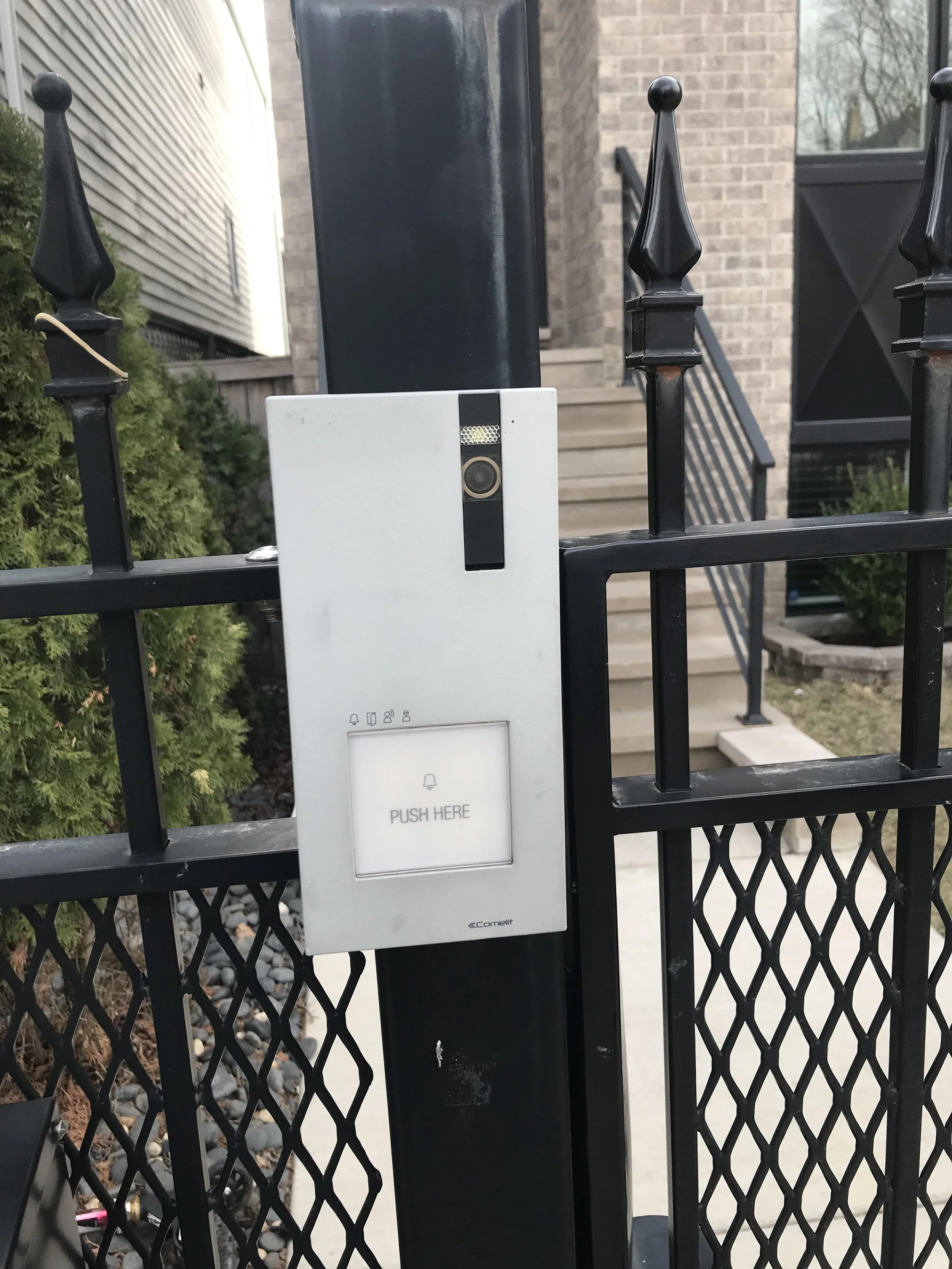
Video intercoms add a camera at the entry point so residents can see and hear their visitor before granting access. Modern video intercom systems in Chicago — like the SwiftLane platform we install — also support live video feeds to residents’ smartphones. This is a significant security upgrade over audio-only setups.

Telephone Entry Systems

Telephone entry intercoms connect to residents’ phone lines (landline or cellular). A visitor selects a name from a directory panel at the entrance, and the system dials the resident’s phone number. The resident answers and can press a key to unlock the door remotely. Mircom telephone entry systems are one of the most reliable options we install in Chicago apartment buildings.

Wireless Intercoms

Wireless systems communicate between the entry panel and indoor stations using Wi-Fi or radio frequency signals rather than hardwired connections. These are a practical option for older Chicago buildings where running new wiring through plaster walls and brick would be expensive or disruptive.

Smart Intercoms

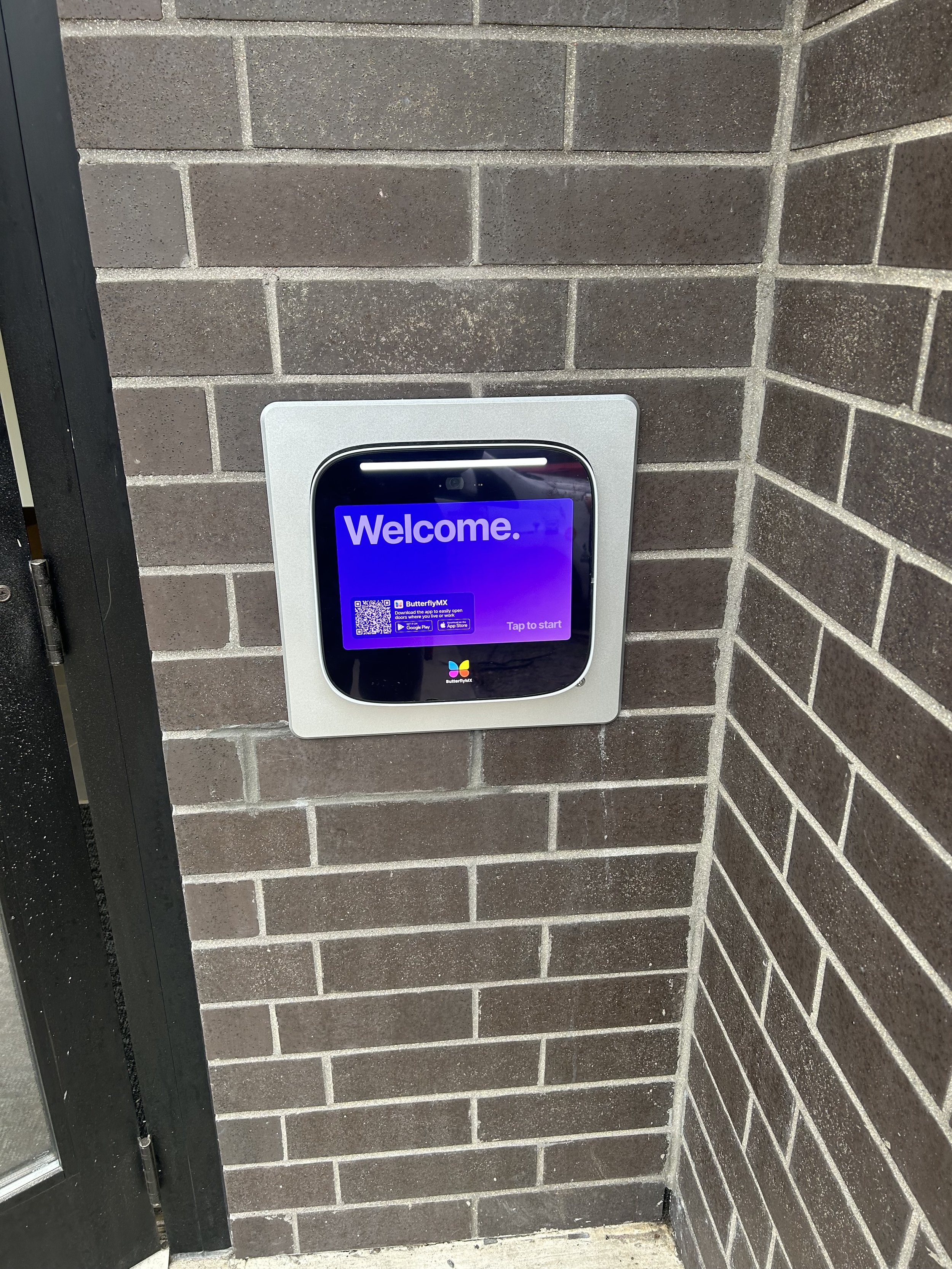
Smart intercoms combine video, cloud connectivity, and mobile app integration into one platform. Residents manage access from their phones, receive video call notifications when someone is at the door, and can grant or deny entry from anywhere. Some smart systems also include keyless entry options like PIN codes, key fobs, or facial recognition.

Intercom System Types at a Glance

Feature

Audio-Only

Video

Telephone Entry

Wireless

Smart

Visual verification

No

Yes

No

Varies

Yes

Smartphone access

No

Some models

Yes (phone call)

Some models

Yes

Wiring required

Yes

Yes

Minimal

No

Varies

Best for building size

2-12 units

6-50+ units

10-200+ units

2-20 units

6-200+ units

Typical cost per unit

$50-$150

$150-$400

$100-$300

$100-$250

$200-$500+

Remote access

No

Some models

Yes

Some models

Yes

ADA-friendly options

Limited

Yes

Yes

Limited

Yes

How to Choose the Right Intercom System for Your Chicago Building

Selecting an intercom system is not just about picking the newest technology. You need to match the system to your building’s specific situation. Here are the key factors to evaluate.

Building Size and Unit Count

A three-flat in Avondale has very different needs than a 100-unit building in River North. Smaller buildings (under 12 units) can often work well with straightforward audio or video intercoms. Larger buildings typically benefit from telephone entry or smart intercom platforms that scale more efficiently and do not require indoor stations in every unit.

Existing Wiring and Infrastructure

Many Chicago apartment buildings were built in the early to mid-1900s, long before modern intercom wiring was standard. If your building already has intercom wiring in good condition, a hardwired upgrade is usually the most cost-effective route. If the wiring is deteriorated or nonexistent, wireless or telephone entry systems can save you thousands in installation costs.

Resident Demographics and Preferences

Consider who lives in your building. A building with mostly younger professionals may appreciate a smart intercom with app-based access. A building with older residents may prefer a simpler telephone entry system that does not require downloading an app or learning new technology.

Budget and Long-Term Costs

The upfront cost of the hardware is only part of the picture. Factor in installation labor, monthly service fees (common with cloud-based smart systems), and ongoing maintenance. A system that costs less upfront but requires frequent intercom repair is not a bargain.

Condo Association and HOA Requirements

If your building is a condo, the condo association board typically makes the final call on intercom system selection. Boards need to consider unit owner votes, reserve fund budgets, and whether the system complies with the building’s declaration and bylaws. Getting multiple bids and presenting them at a board meeting is the standard approach.

Key Intercom Features to Look for in 2026

Intercom technology has changed significantly in the last few years. If you are upgrading an outdated buzzer system, here are the features worth paying attention to in 2026.

  • Mobile app integration. Residents should be able to answer intercom calls, view live video, and grant access directly from their smartphones. This is now standard on most mid-range and premium systems.

  • Cloud-based management. Property managers can add or remove residents, update directories, and review access logs from any device. No need to be on-site to make changes.

  • HD video with night vision. A camera that only works in good lighting defeats the purpose. Look for 1080p resolution or higher with infrared night vision.

  • Two-way audio with noise cancellation. Chicago street noise is real. A system with noise-canceling microphones ensures clear communication between the visitor and resident.

  • Multi-entry support. Buildings with more than one entrance — front door, parking garage, side gate — need a system that manages all access points from a single platform.

  • Delivery and guest access codes. Temporary PIN codes for package carriers, dog walkers, or housekeepers make daily life easier for residents and reduce the number of times the front door gets propped open.

  • ADA compliance. The Americans with Disabilities Act accessibility standards require that intercom panels be mounted at accessible heights and provide audible and visual indicators. Buildings that fail to meet these requirements face potential complaints and liability.

  • Integration with security cameras. The best setups link your intercom to a broader security camera system so you have a complete view of building access.

Intercom Installation Process: What to Expect

If you have never been through an intercom installation or replacement, here is how the process typically works when you hire a licensed team.

1. Site Assessment

A technician visits your building to evaluate the existing system, inspect wiring, measure entry points, and document the number of units. This step determines which systems are compatible and identifies any building-specific challenges.

2. System Recommendation and Proposal

Based on the assessment, your locksmith team presents system options with pricing. At The Professional Locksmith, we provide detailed proposals that break down hardware costs, labor, any required wiring work, and ongoing service fees so there are no surprises.

3. Scheduling and Resident Communication

For occupied buildings, scheduling matters. Installation in a 50-unit building is not something you want to spring on residents with no notice. A clear communication plan — including expected timelines and any temporary access changes — keeps everyone informed.

4. Installation

Installation timelines depend on the system and building size:

  • Small buildings (2-12 units): Typically completed in one day.

  • Mid-size buildings (12-50 units): One to three days depending on wiring needs.

  • Large buildings (50+ units): Can take a week or more for full system deployment and testing.

Installation includes mounting the entry panel, running or connecting wiring, configuring the directory, programming resident access, and testing every unit.

5. Training and Handoff

A good installer does not just leave when the hardware is mounted. Your team should walk the building manager through system operation, show residents how to use their units or mobile apps, and provide documentation for future reference.

Intercom Maintenance and Common Repair Issues

Like any electronic system exposed to Chicago weather — including lakefront humidity, sub-zero winters, and summer heat — intercoms require regular maintenance to stay reliable.

Common Intercom Problems

  • Static or no audio. Often caused by corroded wiring, loose connections, or a failing speaker. Chicago’s freeze-thaw cycles can accelerate wiring deterioration in exterior-mounted panels.

  • Buzzer does not release the door. This is usually an issue with the electric strike or magnetic lock, not the intercom itself. A licensed locksmith can diagnose whether the problem is in the intercom, the lock hardware, or the wiring between them.

  • Unresponsive entry panel. Vandalism, water damage, and age are the most common culprits. Outdoor panels in high-traffic neighborhoods take a beating.

  • Directory display issues. Faded screens, burned-out backlights, and unreadable name cards are common in older systems. If the directory is hard to read, visitors will just start buzzing random units — which defeats the purpose of having an intercom.

  • Intermittent connectivity. Wireless and smart systems may experience dropout issues related to Wi-Fi signal strength, firmware bugs, or cloud service outages.

Preventive Maintenance Schedule

A basic annual maintenance plan should include:

  • Inspecting and tightening all wiring connections

  • Cleaning entry panel cameras and speakers

  • Testing the door release mechanism at every unit

  • Updating firmware on smart and cloud-based systems

  • Replacing worn weatherproofing seals on exterior panels

  • Verifying the resident directory is current and accurate

If your building’s intercom needs repair, our intercom repair team responds across Chicago — including emergency calls through our 24/7 service line.

Cost Ranges for Apartment Intercom Systems in Chicago

Intercom pricing varies widely based on system type, building size, and installation complexity. Here are realistic cost ranges for Chicago buildings in 2026.

  • Basic audio intercom (2-12 units): $1,500-$4,000 installed

  • Video intercom (6-50 units): $3,000-$15,000 installed

  • Telephone entry system (10-200+ units): $3,500-$20,000+ installed

  • Smart intercom with mobile access (6-200+ units): $5,000-$25,000+ installed

  • Wireless intercom (2-20 units): $1,000-$5,000 installed

These ranges include hardware and professional installation. Monthly cloud service fees for smart systems typically run $2-$10 per unit per month. Keep in mind that buildings requiring new wiring runs — especially older masonry construction common in neighborhoods like Pilsen, Bridgeport, and Ukrainian Village — will see higher installation costs.

For a specific estimate for your building, call us at (312) 796-0901 or request a site assessment online.

Upgrading from an Old Buzzer System to a Modern Intercom

Thousands of Chicago apartment buildings still rely on buzzer systems installed decades ago. If your building’s entry system is limited to a buzzer that unlocks the door with no way to verify who is actually outside, it is time to consider an upgrade.

Signs Your Building Needs an Intercom Upgrade

  • The current system has no video or phone integration

  • Residents cannot communicate with visitors before buzzing them in

  • The buzzer panel is physically damaged, corroded, or illegible

  • Building management cannot update the resident directory without a service call

  • The system does not comply with current Chicago building code requirements

  • Insurance carriers or condo association bylaws require upgraded access control

The Upgrade Path

For most Chicago apartment buildings, the most practical upgrade path looks like this:

  1. Assess your current infrastructure. Determine what wiring exists and whether it can be reused.

  2. Define your requirements. Talk to residents and building management about must-have features versus nice-to-haves.

  3. Get professional recommendations. Work with a licensed commercial locksmith who specializes in building security — not a general handyman or electrician.

  4. Compare systems and get multiple bids. Request proposals that include total cost of ownership, not just the hardware price.

  5. Plan the installation timeline. Coordinate with building management to minimize disruption to residents.

At The Professional Locksmith, we handle the full process from assessment through installation and ongoing support. As a family-owned company with two Chicago locations — in Avondale and the West Loop — we are local to the buildings we serve. Every technician on our team passes a full background check, and we carry all required licensing, bonding, and insurance.

Chicago-Specific Considerations for Building Intercoms

Installing or replacing an intercom system in Chicago comes with local factors that do not apply everywhere.

  • Building code compliance. The City of Chicago’s building code includes specific requirements for multi-unit building entry and egress systems. Your intercom and access control setup must meet fire safety, electrical, and accessibility standards. Work with a licensed installer who understands Chicago’s code requirements.

  • Historic building restrictions. If your building is in a Chicago landmark district, exterior modifications — including mounting a new intercom panel — may require review by the Commission on Chicago Landmarks. Neighborhoods like Old Town, Pullman, and parts of Lincoln Park have these designations.

  • Weather exposure. Chicago’s climate ranges from extreme cold to high humidity. Entry panels need NEMA-rated weatherproofing appropriate for outdoor installation in this environment.

  • Multi-unit building logistics. Coordinating installation across dozens of occupied units requires planning. Residents need advance notice, and installers may need access to individual units for indoor station work.

  • ADA requirements. The ADA Standards for Accessible Design apply to common-use areas in apartment buildings. Intercom panels must be operable with one hand, reachable from a wheelchair, and provide both visual and auditory cues. Non-compliant systems expose building owners to legal risk.

Locked Out of Your House in Chicago? Here’s Exactly What to Do

Locked Out of Your House in Chicago? Here’s Exactly What to Do

It is 11 p.m. on a Tuesday in January. The wind chill is negative fifteen. You just stepped outside your Lakeview apartment to take the trash out, and the door clicked shut behind you. Your keys, your phone, and your wallet are all sitting on the kitchen counter.

Winter Lock and Home Security Tips Every Chicago Homeowner Needs

Winter Lock and Home Security Tips Every Chicago Homeowner Needs

Chicago winters hit differently. When temperatures drop well below zero and wind chills along the lakefront plunge to minus 30 or colder, your home’s locks and security systems face conditions that most hardware was never designed for.

How to Choose a Licensed, Bonded, and Insured Locksmith to Avoid Scams

Finding a reliable locksmith when you are locked out or need new locks installed is essential to your safety and peace of mind. Unfortunately, the locksmith industry has its share of scams and untrustworthy providers, especially in busy cities like Chicago. Choosing a licensed, bonded, and insured locksmith is the best way to protect yourself from fraud, poor workmanship, and unexpected costs.

This guide will help you understand why licensing, bonding, and insurance matter and provide practical tips for selecting a trustworthy locksmith to avoid scams.

Why Licensing Matters

A licensed locksmith has met state or local requirements to legally perform locksmith services. Licensing ensures the locksmith has undergone background checks, possesses the necessary skills, and follows industry regulations. In Illinois, locksmiths must be licensed to operate, which helps protect consumers from criminals posing as legitimate professionals.

Hiring a licensed locksmith means you are working with someone who is accountable and follows professional standards. If a locksmith is unlicensed, you risk poor service, damage to your property, or worse, a security breach.

The Importance of Bonding

A bonded locksmith carries a surety bond, which is a form of financial protection for customers. If the locksmith causes damage, steals property, or fails to fulfill their contractual obligations, the bond provides compensation to the affected party.

Bonding is a sign that the locksmith company is financially responsible and committed to ethical business practices. It also gives you a way to recover losses if something goes wrong during the job.

Why Insurance is Essential

Insurance protects both the locksmith and the customer in case of accidents or property damage. For example, if a locksmith accidentally damages your door or lock while working, liability insurance covers repair or replacement costs.

Without insurance, you could be left paying for damages out of pocket. Insured locksmiths demonstrate professionalism and reduce your financial risk.

Tips for Choosing a Licensed, Bonded, and Insured Locksmith

Verify Credentials

Ask the locksmith to provide proof of licensing, bonding, and insurance before hiring. Most reputable companies will gladly share this information. You can also verify licenses through state or local government websites.

Check Reviews and References

Look for online reviews on trusted platforms to learn about other customers’ experiences. Positive feedback and high ratings indicate reliable service. If possible, ask the locksmith for references from previous clients.

Avoid Unsolicited Offers

Be cautious of locksmiths who show up uninvited or advertise unusually low prices. Scammers often use these tactics to lure customers and then inflate charges or perform unnecessary work.

Get a Written Estimate

Before any work begins, request a clear, written estimate outlining the services and costs. This helps prevent surprise fees and ensures you understand what you are paying for.

Confirm Physical Address and Contact Information

A legitimate locksmith company will have a physical business address and a local phone number. Avoid companies that only provide mobile numbers or refuse to disclose their location.

Inquire About Experience and Specializations

Ask how long the locksmith has been in business and if they specialize in residential, commercial, or automotive locks. Experienced locksmiths are more likely to handle your needs efficiently.

Watch for Red Flags

Beware of locksmiths who refuse to show identification, use generic vehicles without branding, or pressure you to make quick decisions. Trustworthy professionals prioritize your comfort and transparency.

The Professional Locksmith Difference

The Professional Locksmith is a licensed, bonded, and insured locksmith company serving the Chicago area. Their team of experienced technicians provides fast, reliable, and affordable locksmith services for residential, commercial, and automotive needs.

By choosing a reputable company like The Professional Locksmith, you can avoid scams and ensure your property’s security is in good hands. They emphasize transparency, professionalism, and customer satisfaction on every job.

Protecting yourself from locksmith scams starts with choosing a licensed, bonded, and insured professional. These credentials are essential indicators of trustworthiness, skill, and financial responsibility.

By verifying credentials, reading reviews, requesting written estimates, and being alert to warning signs, you can find a locksmith who will provide quality service without hidden fees or risks.

When you need locksmith services in Chicago, always prioritize safety and professionalism. Taking these steps helps you avoid scams and ensures your locks and security systems are handled by qualified experts.


Best High-Security Commercial Lock Brands for Chicago Businesses (Mul-T-Lock vs. Schlage)

When it comes to protecting your Chicago business, choosing the right high-security commercial locks is a critical decision. The security of your property, employees, and assets depends on reliable, tamper-resistant locks that can withstand unauthorized access attempts. Among the top brands trusted by commercial property owners and security professionals are Mul-T-Lock and Schlage. Both offer robust solutions, but understanding their features and differences can help you select the best fit for your business.

This article explores the strengths of Mul-T-Lock and Schlage high-security locks and how they can enhance commercial security in Chicago.

Mul-T-Lock: Advanced Security with Patented Technology

Mul-T-Lock is renowned worldwide for its innovative locking technology and high resistance to picking, drilling, and bumping. Their commercial locks are designed with patented key control systems that prevent unauthorized duplication, a critical feature for businesses concerned about key security.

One of the standout features of Mul-T-Lock products is the use of telescopic pin tumbler technology. This design increases the complexity of the lock mechanism, making it extremely difficult for intruders to manipulate. Additionally, many Mul-T-Lock cylinders come with reinforced hardened steel inserts to resist drilling attacks.

Mul-T-Lock also offers a variety of lock types, including cylinders, padlocks, and electronic access control systems, allowing businesses to customize security according to their needs. Their key control programs ensure that only authorized personnel can request key copies, providing an extra layer of protection.

Schlage: Trusted Durability and Versatility

Schlage has a long-standing reputation for producing durable, high-quality commercial locks that combine security with ease of use. Their high-security line includes patented keyways and reinforced cylinders designed to resist picking and unauthorized key duplication.

One of the advantages of Schlage locks is their versatility. They offer a wide range of locksets, exit devices, and electronic access control options that integrate well with existing security systems. Schlage’s commercial locks are known for their solid construction, smooth operation, and compliance with industry standards.

Schlage also provides key control solutions that restrict key duplication, helping businesses maintain control over who has access to their facilities. Their products are widely available and supported by a network of locksmith professionals, making maintenance and upgrades convenient.

Comparing Mul-T-Lock and Schlage for Chicago Businesses

Security Level

Both Mul-T-Lock and Schlage offer high-security locks with patented key control and resistance to common attack methods. Mul-T-Lock’s telescopic pin technology and reinforced components give it a slight edge in resistance to picking and drilling. However, Schlage’s products meet strict ANSI/BHMA certification standards, ensuring reliable protection.

Key Control

Mul-T-Lock’s key control system is known for its strict duplication policies, often requiring authorized card holders to request new keys. Schlage also offers patented keyways and restricted key systems but may have more flexible duplication options depending on the product line.

Product Range and Customization

Schlage provides a broader selection of lock types and finishes, making it easier to match aesthetics and functional requirements. Mul-T-Lock focuses heavily on high-security cylinders and padlocks, with growing options in electronic access.

Installation and Support

Both brands are supported by experienced locksmiths in Chicago. Schlage’s widespread availability can make finding replacement parts or service easier. Mul-T-Lock may require specialized service for certain advanced products but offers excellent technical support.

Which Brand is Right for Your Chicago Business?

The choice between Mul-T-Lock and Schlage depends on your specific security needs, budget, and preferences. If your business requires the highest level of key control and resistance to forced entry, Mul-T-Lock is an excellent choice. Its advanced technology and strict key management policies provide peace of mind for sensitive facilities.

If you value versatility, ease of integration, and a broad product selection, Schlage offers dependable security solutions that are widely trusted in commercial settings. Their locks combine durability with user-friendly features, making them suitable for many types of businesses.

The Professional Locksmith Can Help

Selecting and installing high-security commercial locks is a complex task that benefits from expert guidance. The Professional Locksmith in Chicago specializes in commercial security solutions and can assess your property’s needs to recommend the ideal lock brand and system.

Their licensed technicians provide professional installation, maintenance, and emergency services to ensure your locks perform optimally and protect your business effectively.

Protecting your Chicago business requires investing in high-quality commercial locks that offer robust security and key control. Both Mul-T-Lock and Schlage are top-tier brands with proven track records in commercial security.

Understanding the differences between these brands helps you make an informed decision tailored to your property’s requirements. Whether you prioritize advanced technology and strict key control with Mul-T-Lock or the versatility and durability of Schlage, partnering with a trusted locksmith ensures your business stays secure.

Contact a professional locksmith today to explore your options and upgrade your commercial locks with confidence.


What is a Master Key System and Does Your Chicago Apartment Building Need One?

Sliding glass doors are a popular feature in many homes and businesses, providing easy access to outdoor spaces while allowing natural light to fill interior rooms. However, the security of these doors depends heavily on the condition of their locks. A malfunctioning or outdated sliding glass door lock can leave your property vulnerable to break-ins and compromise your safety.

Knowing when to replace your sliding glass door lock is essential to maintaining security and peace of mind. Here are four clear signs that your sliding glass door lock needs immediate replacement.

Difficulty Locking or Unlocking the Door

If you notice that your sliding glass door lock is hard to engage or disengage, it is a strong indication that the lock mechanism is wearing out. This could be due to internal parts becoming corroded, jammed, or misaligned over time.

Forcing the lock can cause further damage and may leave the door unsecured. A lock that does not operate smoothly compromises your safety and should be replaced promptly to ensure reliable security.

Visible Damage or Wear on the Lock

Physical damage such as cracks, rust, or broken components on the lock is a clear warning sign. Exposure to weather elements can cause metal parts to corrode or weaken, especially on older locks.

A damaged lock is easier to tamper with or break, making your sliding glass door an easy target for intruders. Inspect your lock regularly for signs of wear and replace it as soon as any damage is detected to maintain effective protection.

The Lock Does Not Secure the Door Properly

Sometimes, even if the lock appears intact, it may fail to secure the door tightly. If you notice that the door rattles, moves when locked, or can be lifted out of its track, the locking mechanism may no longer be functioning correctly.

This issue can arise from worn-out locks or misalignment between the door and the frame. A lock that does not hold the door firmly defeats its purpose and calls for immediate replacement to prevent unauthorized entry.

Outdated Lock Technology

Older sliding glass door locks may not provide the level of security needed to deter modern break-in techniques. Advances in lock design have led to stronger, more tamper-resistant options that significantly improve safety.

If your lock is outdated, upgrading to a newer, high-security model can enhance protection for your home or business. Investing in modern locks with features such as reinforced materials or key control systems can give you greater confidence in your property’s security.

Why Timely Replacement Matters

Delaying the replacement of a faulty sliding glass door lock increases the risk of burglary and property damage. Intruders often target sliding doors because they can be easier to bypass if the lock is weak or malfunctioning.

Replacing your lock promptly not only protects your valuables but also ensures the safety of your family, employees, and customers. It also helps maintain the value of your property by preventing security vulnerabilities.

How The Professional Locksmith Can Help

If you are experiencing any of these issues with your sliding glass door lock, it is time to consult a trusted locksmith. The Professional Locksmith offers expert evaluation, repair, and replacement services tailored to sliding glass doors.

Their licensed technicians in Chicago provide fast, reliable service using high-quality locks designed for maximum security. Whether you need an upgrade or emergency lock replacement, they can help you restore safety and peace of mind.

Sliding glass doors add beauty and convenience to any property, but their security depends on the condition of the locks. Difficulty operating the lock, visible damage, improper securing, and outdated technology are all signs that your sliding glass door lock needs immediate replacement.

Regular inspection and timely action can prevent potential break-ins and protect your home or business. If you notice any of these warning signs, contact a professional locksmith to ensure your sliding glass door remains a secure entry point.

Prioritizing lock maintenance and replacement is an investment in safety that every property owner should take seriously.


What is a Master Key System and Does Your Chicago Apartment Building Need One?

Security and convenience are top priorities for apartment building owners and managers, especially in a bustling city like Chicago. One effective way to enhance both is by implementing a master key system. But what exactly is a master key system, and how can it benefit your apartment building?

This article will explain the basics of master key systems and help you determine if your Chicago apartment building could benefit from this smart security solution.

Understanding the Master Key System

A master key system is a type of lock and key arrangement that allows different levels of access within a building. In this system, individual tenants have keys that only open their specific apartments, while building managers, maintenance staff, or security personnel have a master key that opens multiple or all doors within the building.

This hierarchical access control means that while residents maintain privacy and security, authorized personnel can enter units when necessary without carrying a large number of keys or disturbing tenants unnecessarily.

How Does a Master Key System Work?

Master key systems are designed using pin tumbler locks with different combinations of pins that correspond to specific keys. Each tenant’s key operates only their lock, while the master key is cut to operate all locks in the system.

Some buildings may also use sub-master keys that grant access to certain floors or sections, providing even more control over who can enter which areas. This flexibility makes master key systems ideal for multi-unit properties like apartment buildings.

Benefits of a Master Key System for Apartment Buildings

Improved Security

By limiting access to authorized keys, master key systems reduce the risk of unauthorized entry. Tenants do not need to worry about others having copies of their keys, and building staff can respond quickly in emergencies or maintenance situations.

Convenience for Management and Staff

Carrying a single master key instead of multiple keys simplifies daily operations for property managers and maintenance teams. It allows quick access to units for repairs, inspections, or emergencies, saving time and avoiding the hassle of tracking down individual keys.

Enhanced Tenant Satisfaction

Residents appreciate knowing their homes are secure and that building staff can respond efficiently when needed. A master key system helps maintain tenant trust and satisfaction by balancing privacy with necessary access.

Cost-Effective Security Solution

While installing a master key system requires an initial investment, it can save money in the long run by reducing the need for lock replacements or rekeying when keys are lost or stolen. It also minimizes the risk and cost associated with unauthorized access.

Is Your Chicago Apartment Building a Good Candidate?

Master key systems are especially beneficial for buildings with multiple units, frequent staff access needs, or complex layouts. If your building has more than a handful of apartments, employs maintenance or security personnel, or experiences regular tenant turnover, a master key system can streamline operations and enhance security.

Buildings without a master key system may face challenges such as lost keys, unauthorized copies, or delays in emergency access. Implementing a master key system can address these issues proactively.

Choosing the Right Locksmith Partner

Installing or upgrading a master key system requires expertise to ensure proper design, security, and functionality. Working with a professional locksmith company experienced in commercial and residential systems is essential.

The Professional Locksmith in Chicago offers comprehensive master key system services, from consultation and design to installation and maintenance. Their licensed technicians understand the unique needs of apartment buildings and provide personalized solutions that fit your property’s requirements.

A master key system is a practical and efficient way to improve security and convenience in Chicago apartment buildings. By providing controlled access to tenants and authorized personnel, it enhances safety, simplifies management, and supports tenant satisfaction.

If you manage or own an apartment building in Chicago, consider whether a master key system could benefit your property. Consulting with a trusted locksmith can help you make the right decision and implement a system tailored to your needs.

Investing in a master key system is a smart step toward better building security and smoother operations for everyone involved.